
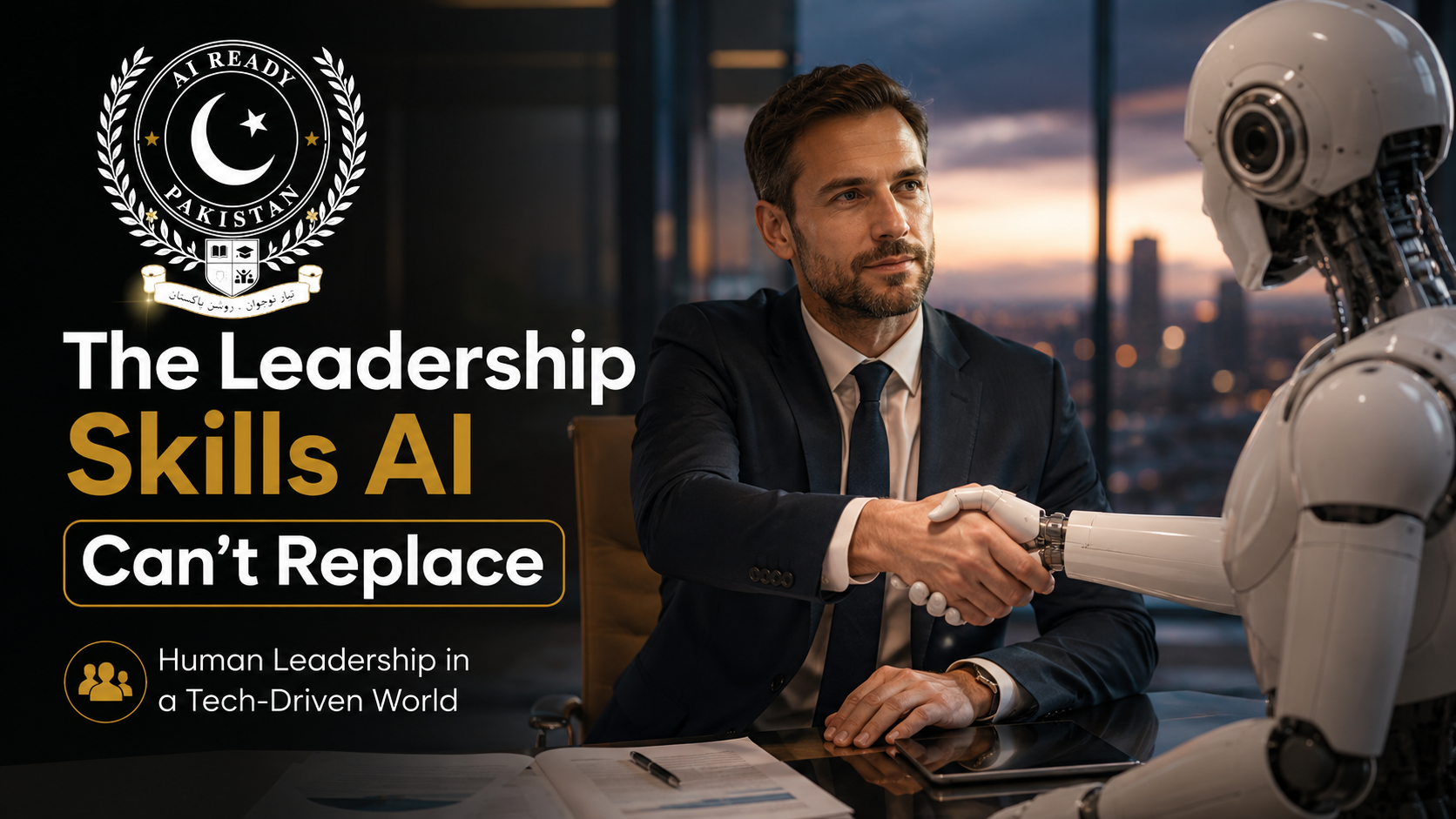
Picture two managers. Both know their industry inside out. Both have years of experience. But one keeps losing good people, struggling with change, and feeling blindsided by every new tool that hits the market. The other? Their team trusts them, adapts fast, and somehow makes even chaotic quarters look manageable.
The difference isn’t intelligence. It’s a set of skills that no algorithm can hand you, and if you’re serious about leading in the next decade, these are the ones worth building now.
Leadership Isn’t What It Used to Be
For a long time, leadership meant authority and experience: you climbed the ladder, you knew more than everyone else, people listened. That model is quietly falling apart.
Remote work, constant market shifts, and AI tools are changing what “leading well” actually looks like. The World Economic Forum expects millions of jobs to shift by 2030, with skills like analytical thinking, resilience, and AI literacy becoming the new baseline. Translation: leaders now need to keep learning, not just keep managing.
1. You Don’t Need to Code, But You Do Need to Understand AI
Here’s some good news: AI literacy doesn’t mean becoming a data scientist. It means knowing what AI is actually good at, where it falls short, and what risks come with it, things like bias, privacy, and misinformation.
Think of a marketing manager who uses AI to understand customer behavior, but is careful about how that data is handled. That’s the balance. Leaders who ignore AI entirely, or trust it blindly, both end up in trouble.
2. Creativity Is Your Edge, Not Your Backup Plan
AI can spit out ideas fast, but it can’t replace the kind of creativity that comes from questioning “why do we do it this way?” and actually meaning it.
Look at companies like Google or Apple; their edge isn’t that they have more resources than everyone else. It’s that their leaders keep pushing teams to try new things, and treat failed attempts as useful information instead of embarrassments. As more tasks get automated, creative thinking becomes rarer and more valuable.
3. Say It Clearly, or It Doesn’t Matter
You can have the best idea in the room and still lose people if you can’t explain it well. Communication really listening, writing clearly, giving honest feedback is still one of the most underrated leadership skills out there.
It matters even more now that so many teams work remotely. Leaders who explain things clearly (especially confusing changes, like rolling out a new AI tool) build trust faster than leaders who just expect people to keep up.
4. Bend, Don’t Break
Nobody predicted a global pandemic would force entire companies to go remote overnight. But the leaders who handled it well weren’t the smartest in the room; they were the ones who adapted fastest.
That’s adaptability: adjusting plans when the ground shifts. And resilience its quieter partner, is what keeps you steady after something doesn’t go as planned. Neither means having it all figured out. It just means not falling apart when you don’t.
5. Think Before You Decide
Leadership means making calls when the picture isn’t fully clear. That’s where critical thinking earns its keep: weighing evidence, checking assumptions, looking at more than one angle before deciding.
AI can hand you data and even suggest an answer. But someone still has to ask, “does this actually make sense here?” That someone is you.
6. The One Thing AI Genuinely Can’t Do
Machines can crunch numbers all day. What they can’t do is notice when someone on your team is quietly burning out, or read the room in a tense meeting.
That’s emotional intelligence: self-awareness, empathy, knowing how to manage relationships. Research from TalentSmart ties it directly to leadership performance. As more of the job gets automated, this becomes the thing that actually sets good leaders apart.
7. Stay a Student, Even After You’re the Boss
Whatever you know right now has an expiration date. The WEF estimates nearly 39% of core job skills will shift by 2030, which means the leaders who keep learning stay relevant, and the ones who assume they’ve “arrived” quietly fall behind.
Doing the Right Thing, Even When It’s Not the Easy Thing
As AI takes on a bigger role in decision-making, ethics stops being a nice-to-have. Leaders now have to think about fairness, transparency, and the real-world impact of the calls they make, not just what’s profitable.
Data privacy, algorithmic bias, sustainability these aren’t side issues anymore. They’re leadership issues. And the leaders who take them seriously earn something AI never will: trust.
The Bottom Line
Nobody’s going to lead well in the next decade just by knowing more than everyone else. The leaders who actually succeed will be the ones who keep learning, adapt without panicking, and never stop treating people like people, even while using every tech tool available to them.
AI isn’t your competition. It’s a tool. The real leadership work creativity, judgment, empathy was never something a machine could do for you anyway.
If you’re a student or an early-career professional reading this: start now. The skills that matter most aren’t locked behind a fancy title. They’re built one decision, one hard conversation, one adaptation at a time.
About AI Ready Pakistan
Our mission is to make every student AI-ready and professionally competitive in today’s world through limited scholarship-based training for 1,000+ students, led by top trainers.
📩 Get Involved:
🔹 Join the Trainings → https://forms.gle/aY81cQAHesNMeHTq5
🔹 Become a Trainer → https://forms.gle/v9BMrW9EMsWJPQwf7
🔹 Join the Advisory Council → https://forms.gle/Hj76iXs3MkNcyabz9
🔹 Become a Support Partner → https://forms.gle/q1YKKwUaUY5mps7W6
📧 aireadypakistan@gmail.com | 📞 +92 315 9103387